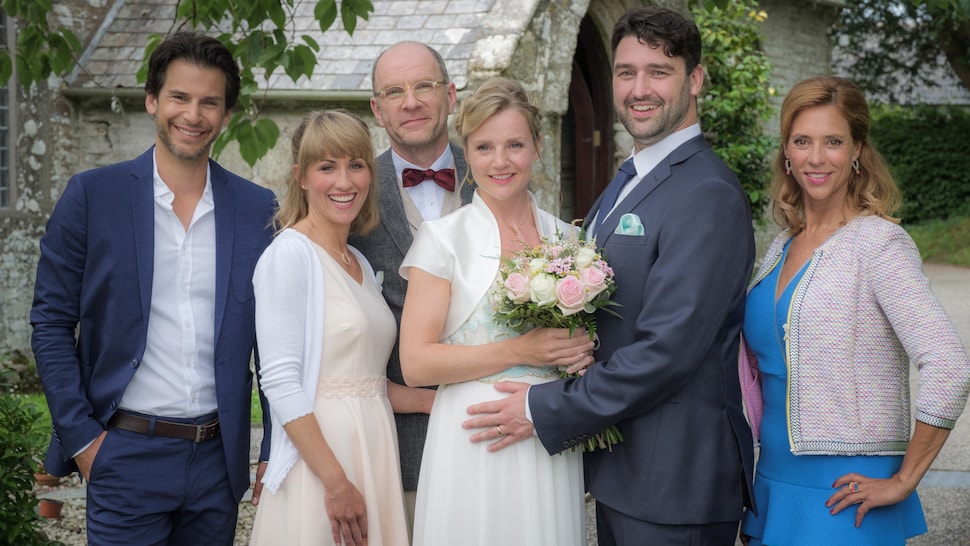
Geerbtes Glück: A Rosamunde Pilcher Story of Love and Betrayal
The name Rosamunde Pilcher conjures images of windswept Cornish coastlines, grand family estates, and romances fraught with emotional turmoil and long-kept secrets. While her novels are famously set in the picturesque landscapes of southwest England, the adaptations often find their home in equally enchanting European locales, bringing her beloved narratives to life. One such captivating tale is the 2004 German television film,
Geerbtes Glück (Inherited Luck/Happiness), a production that perfectly encapsulates the blend of poignant romance, dramatic revelation, and stunning scenery that defines the Pilcher brand. This film, directed by Heidi Kranz and written by Barbara Engelke, delves deep into themes of inheritance, burgeoning love, and the devastating sting of betrayal, making the
Geerbtes Glück Film a memorable entry in the beloved series of adaptations.
At its heart,
Geerbtes Glück tells the story of Ulrike Bongart, played compellingly by the late Jennifer Nitsch. Ulrike's life takes an unexpected turn when she inherits a beautiful vineyard. This inheritance isn't just about property; it represents a chance for a fresh start, a new chapter far from her previous life. As she embraces this challenging yet exciting new venture, she encounters Pablo, portrayed by Francis Fulton-Smith. Their connection is immediate and passionate, promising a future filled with love and shared dreams. However, as is often the case in Pilcher's world, this idyllic beginning is merely the calm before a storm, as dark secrets and manipulative schemes threaten to shatter Ulrike's newfound happiness and her very foundation.
The Allure of Inheritance: Ulrike's New Beginning
For Ulrike Bongart, the inheritance of a vineyard isn't just a windfall; it's a symbolic gift of autonomy and the promise of a transformed life. The vineyard itself, with its sprawling rows of vines and the potential for a rich harvest, serves as a powerful metaphor for growth, resilience, and the fruits of labor. In many Rosamunde Pilcher stories, protagonists often find themselves at a crossroads, and an unexpected inheritance or a return to their roots acts as the catalyst for self-discovery and a radical life change. Ulrike’s decision to move to the vineyard and commit to a "new life" embodies this classic Pilcher narrative arc.
The initial scenes of the
Geerbtes Glück Film likely paint a picture of burgeoning hope. Ulrike, perhaps initially overwhelmed by the responsibility, soon finds herself captivated by the beauty and the potential of her inherited estate. This fresh start is not merely a geographical relocation but an emotional and spiritual rebirth. The vineyard offers her a canvas upon which to paint her future, free from past constraints or disappointments. It's a place where she can cultivate not only grapes but also new relationships and a stronger sense of self. This foundational period of discovery and optimistic planning makes the subsequent betrayal all the more impactful, highlighting the fragility of trust when built on shaky ground. For a deeper dive into the film's protagonist and her journey, you might want to read
Geerbtes Glück Explained: Jennifer Nitsch in the 2004 Pilcher Drama.
A Love Story Tarnished: Pablo's Deceptive Charms
The heart of any Pilcher story beats with romance, and
Geerbtes Glück is no exception. Ulrike’s encounter with Pablo sparks an intense and seemingly genuine connection. Their love blossoms amidst the picturesque backdrop of the vineyard, creating an atmosphere of idyllic romance. Pablo, charismatic and engaging, appears to be the perfect partner to share Ulrike’s new life and dreams. Viewers are drawn into their romance, hoping for a fairytale ending where love conquers all. This initial phase of their relationship is crucial, as it builds up the emotional stakes and makes the subsequent revelations even more heartbreaking.
However, the shadow of deceit soon falls upon their relationship. Pablo is revealed to be the son of a ruthless businessman who harbors predatory intentions towards Ulrike’s newly inherited vineyard. This twist introduces a classic Pilcher dilemma: can love truly overcome the machinations of greed and familial loyalty? The betrayal isn't just about a broken heart; it's about the shattering of trust, the manipulation of innocence, and the direct threat to Ulrike's new beginning. Pablo's complicity, whether willing or unwilling, positions him as a complex character caught between his feelings for Ulrike and his familial obligations or perhaps even his own ambition. The film explores the agonizing question of whether his love for Ulrike is genuine or merely a means to an end, creating a tension that drives the narrative forward. This intricate dance between romance and treachery is a hallmark of the
Geerbtes Glück Film.
Beyond Romance: Unraveling the Web of Betrayal and Business Intrigue
While romance is central,
Geerbtes Glück skillfully weaves a more intricate web of conflict involving business intrigue and family secrets. The ruthless businessman, Pablo’s father, isn't just a peripheral antagonist; he represents a direct threat to Ulrike's future and livelihood. His covetous gaze upon her property elevates the drama beyond a simple love triangle, adding layers of corporate ambition and moral corruption. This kind of external threat is a common device in Pilcher narratives, forcing protagonists to not only contend with personal heartache but also to fight for their independence and integrity.
The stakes are incredibly high for Ulrike. Losing the vineyard would mean not only the loss of her financial security but also the crushing defeat of her dreams for a new life. The conflict forces Ulrike to evolve from a woman seeking a fresh start to a determined protagonist fighting for what is rightfully hers. She must navigate a treacherous landscape of lies, uncover the true motives behind the betrayal, and ultimately decide if she can ever trust again. The film, through its suspenseful unraveling of these plots, demonstrates that strength of character, resilience, and a clear moral compass are essential tools in overcoming adversity. The supporting cast, including Ursela Monn, Gerd Silberbauer, and Michael Mendl, undoubtedly contribute to the intricate dynamics and emotional depth of this struggle, bringing gravitas to the story’s more dramatic confrontations. To learn more about the blend of romance, inheritance, and family secrets, explore
Geerbtes Glück Film: Vineyard Inheritance, Romance, and Family Secrets.
The Enduring Appeal of Rosamunde Pilcher's "Geerbtes Glück Film"
The enduring popularity of Rosamunde Pilcher adaptations, including the
Geerbtes Glück Film, lies in their ability to transport viewers to beautiful settings while engaging them with timeless themes. While the film is a German production, it successfully captures the spirit of Pilcher's storytelling: a strong female protagonist, a journey of self-discovery, a passionate romance, and significant obstacles that test the characters' resolve. The picturesque vineyard setting provides an ideal backdrop, evoking feelings of serenity and rustic charm, which then sharply contrast with the emotional turmoil faced by the characters.
Viewers are drawn to these films for several reasons:
* **Escapism:** The stunning cinematography and idyllic locations offer a temporary escape from reality.
* **Relatable Emotions:** Themes of love, loss, betrayal, hope, and resilience are universally understood and resonate deeply.
* **Moral Clarity:** Despite the complexities, Pilcher stories often reaffirm fundamental values and lead to a satisfying resolution, even if bittersweet.
* **Strong Female Leads:** Characters like Ulrike Bongart are often portrayed as resilient and determined, inspiring audiences.
* **Predictable Comfort:** While there are twists, the overall formula offers a comforting familiarity, much like revisiting an old friend.
The 2004 production of
Geerbtes Glück with its talented cast, including the poignant performance by Jennifer Nitsch, director Heidi Kranz's sensitive guidance, and writer Barbara Engelke's compelling script, creates a powerful and memorable viewing experience. It's a testament to how well Pilcher's narrative style translates across cultures and continues to captivate audiences worldwide.
Conclusion
The
Geerbtes Glück Film is more than just a romance; it's a profound exploration of what happens when the promise of a new life collides with the harsh realities of human greed and deception. Ulrike Bongart's journey from hopeful inheritor to a woman tested by betrayal encapsulates the very essence of Rosamunde Pilcher's storytelling. It reminds us that while love can be a powerful force, true happiness often requires facing difficult truths, fighting for one's values, and learning to trust again, even after experiencing the deepest wounds. For fans of heartwarming dramas steeped in beautiful scenery and intricate emotional plots,
Geerbtes Glück remains a poignant and compelling watch, showcasing the enduring magic of inherited luck – and the courage it takes to truly claim it.