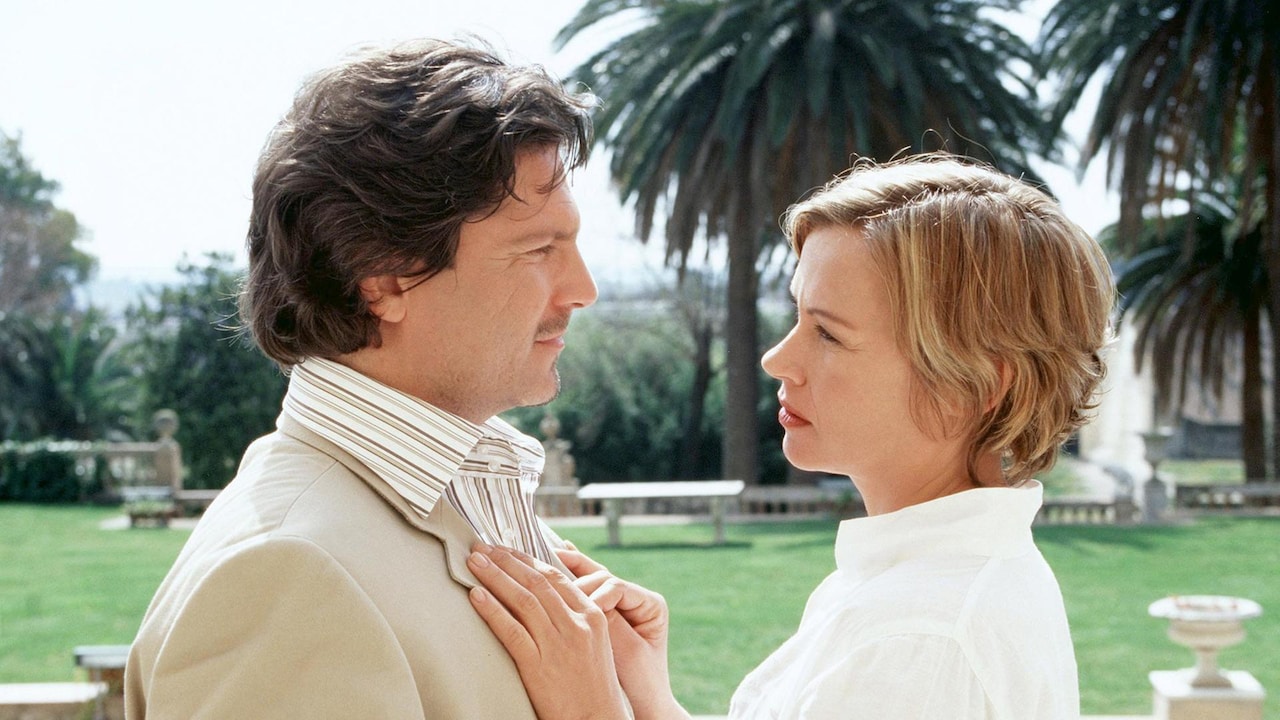
The allure of a fresh start, the intoxicating promise of love, and the shadow of long-held family secrets converge dramatically in the 2004 German feature film, Geerbtes Glück Film. Often resonating with the beloved style of Rosamunde Pilcher adaptations, this captivating drama transports viewers to the picturesque landscapes of a German vineyard, where a woman's inheritance becomes the catalyst for a life-altering journey filled with romance, betrayal, and the difficult choices that define destiny. It’s a quintessential tale of finding new purpose amidst unexpected challenges, all woven into a rich tapestry of emotional depth.
The Alluring Premise of "Geerbtes Glück"
At the heart of the Geerbtes Glück Film lies the compelling story of Ulrike Bongart, played with poignant grace by the late Jennifer Nitsch. Ulrike's life takes an unforeseen turn when she inherits a sprawling vineyard. For many, such an inheritance might represent a simple windfall, but for Ulrike, it signifies a profound opportunity—a chance to leave behind her old life, whatever its burdens, and embrace a new beginning in the tranquil beauty of the countryside. The vineyard is not just property; it embodies a legacy, a dream waiting to be cultivated.
As Ulrike settles into her new reality, she encounters Pablo, portrayed by the charismatic Francis Fulton-Smith. Their connection is immediate and passionate, blossoming into a whirlwind romance that seems to affirm her decision to uproot her life. Pablo, with his charm and apparent understanding of the vineyard life, appears to be the perfect partner for her newfound path. However, the idyllic romance quickly encounters a formidable obstacle: Pablo is the son of an unscrupulous businessman, a man who has set his sights on Ulrike's newly acquired property. This revelation throws a wrench into Ulrike's dreams, pitting her budding love against the cold machinations of greed and ambition. The vineyard, once a symbol of hope, now becomes the battleground for a deeply personal conflict.
A Deep Dive into the Plot and Characters
The narrative arc of Geerbtes Glück Film is carefully crafted by writer Barbara Engelke and brought to life by director Heidi Kranz, creating a story that is both emotionally resonant and visually engaging. Let's delve deeper into the key players and the intricate web they weave:
- Ulrike Bongart (Jennifer Nitsch): Ulrike's journey is one of profound transformation. She arrives at the vineyard perhaps seeking solace or a simpler existence, only to find herself embroiled in a complex drama. Her initial vulnerability gives way to resilience as she confronts not only the challenges of managing an inheritance but also the painful reality of betrayal. Nitsch's portrayal likely captures Ulrike's evolving strength and her unwavering commitment to her dreams, making her a relatable heroine.
- Pablo (Francis Fulton-Smith): Pablo is the film's enigmatic romantic lead, a character designed to evoke both charm and suspicion. His initial allure is undeniable, making his paternal connection to the antagonist a truly heartbreaking twist. The film explores his internal struggle: will he align himself with his father's unethical schemes, or will his love for Ulrike and a sense of moral rectitude prevail? This internal conflict adds significant depth to the romantic storyline.
- Pablo's Father (Michael Mendl): The archetypal antagonist, Pablo's father represents unchecked ambition and corporate ruthlessness. His desire for Ulrike's vineyard isn't just about land; it's about power and control. His actions drive much of the film's conflict, forcing Ulrike and Pablo to confront difficult truths and make pivotal decisions. Mendl, a veteran actor, undoubtedly brings a menacing gravitas to the role.
- Supporting Cast (Ursela Monn, Gerd Silberbauer): The presence of seasoned actors like Ursela Monn and Gerd Silberbauer suggests a rich supporting cast, likely providing Ulrike with allies, confidantes, or perhaps even further complications. These characters often serve to deepen the community feel of the vineyard setting and offer different perspectives on the central conflict.
The plot unfolds with revelations of hidden agendas and emotional confrontations, keeping the audience invested in Ulrike's fight to protect her inheritance and her heart. The vineyard itself, with its rolling hills and the promise of its bounty, serves as a beautiful and symbolic backdrop to this unfolding drama, mirroring the cycles of growth and pruning that define life and relationships.
The Rosamunde Pilcher Connection: A Genre Masterpiece
While not explicitly branded as a Rosamunde Pilcher film in all contexts, Geerbtes Glück Film unmistakably carries the hallmarks of the beloved Pilcher style. This association immediately sets audience expectations: beautiful, often idyllic European scenery, a strong romantic core, emotional depth, family secrets, and a narrative that often balances heartbreak with the promise of ultimate resolution. The German setting, while not Pilcher's customary Cornwall, offers similar aesthetic appeal with its picturesque vineyards and charming rural atmosphere.
What makes the "Pilcher formula" so enduringly popular, and how does "Geerbtes Glück" fit this mold?
- Idyllic Settings: Just as Pilcher's tales are inseparable from the dramatic cliffs and charming villages of Cornwall, Geerbtes Glück utilizes the lush, sun-drenched German vineyard as a character in itself. This backdrop provides a sense of escapism and enhances the romantic atmosphere.
- Central Romance & Obstacles: The passionate, yet troubled, romance between Ulrike and Pablo is typical of the genre. True love is rarely smooth sailing; it must overcome significant external pressures and internal doubts.
- Family Secrets & Inheritance: Inheritance is a frequent plot device in Pilcher stories, often serving as a catalyst for new beginnings, but also unearthing long-buried family secrets that complicate relationships and fortunes. Ulrike's vineyard inheritance and the hidden motives of Pablo's father perfectly align with this theme.
- Emotional Drama & Moral Clarity: The films often present a clear delineation between good and evil, with protagonists facing moral dilemmas and ultimately striving for integrity and happiness. The conflict between Ulrike's honest desires and the businessman's unscrupulous ambition is a prime example.
Viewers drawn to the comforting yet compelling narratives of Rosamunde Pilcher will find much to appreciate in Geerbtes Glück Film. It offers that familiar blend of escapism, heartfelt emotion, and the satisfaction of seeing good triumph, even if it comes after significant struggle. For more on how this film aligns with the Pilcher legacy, you might want to explore Geerbtes Glück: A Rosamunde Pilcher Story of Love and Betrayal.
Beyond the Romance: Themes of Betrayal and New Beginnings
While romance is a strong thread in Geerbtes Glück Film, the narrative also delves into deeper, more universal themes:
- Inheritance as a Catalyst: The vineyard is more than just an asset; it's a symbol of legacy and potential. For Ulrike, inheriting it isn't just about gaining property but about inheriting a new identity and a new direction for her life. The film explores how an unexpected inheritance can fundamentally alter one's path and priorities.
- The Sting of Betrayal: The core dramatic tension arises from the betrayal inherent in Pablo's family connection. Ulrike's initial joy and trust are tested when she realizes the man she loves is tied to the man who seeks to undermine her. This element explores the pain of deceit, the complexity of loyalty, and the difficult choices faced when love and external pressures collide.
- The Courage of New Beginnings: Ulrike's decision to embrace a new life on the vineyard is a powerful theme. It speaks to the universal human desire for renewal, for a second chance, and for the courage required to step into the unknown. Her journey highlights the challenges and rewards of building something new, especially when faced with adversity.
Why "Geerbtes Glück Film" Resonates with Audiences
The enduring appeal of Geerbtes Glück Film lies in its successful blend of relatable human emotions, a compelling storyline, and its ability to transport viewers to a beautiful, dramatic world. It's a film that leaves an impression because:
- Emotional Depth: The film masterfully explores themes of love, trust, betrayal, ambition, and the pursuit of happiness. These are emotions and conflicts that resonate deeply with audiences, making Ulrike's struggles and triumphs feel personal.
- Stunning Visuals: The German vineyard setting is not merely a backdrop; it's an integral part of the film's charm. The lush landscapes and the promise of viticulture add a layer of beauty and aspiration to the narrative.
- Strong Performances: The cast, particularly Jennifer Nitsch in a pivotal role, delivers powerful and nuanced performances that bring authenticity to the characters. Nitsch's ability to convey Ulrike's vulnerability and strength is crucial to the film's impact. Discover more about her role in Geerbtes Glück Explained: Jennifer Nitsch in the 2004 Pilcher Drama.
- Relatability: While the plot twists might be dramatic, the underlying human desires—for love, security, and a meaningful life—are universal. Audiences can connect with Ulrike's dream of a new beginning and her struggle to protect what she values.
- Escapism: Like many successful romantic dramas, "Geerbtes Glück" offers a delightful escape from the everyday. It allows viewers to immerse themselves in a world of passion, intrigue, and ultimate hope, even if momentarily.
Practical Tips for Enjoying German Romantic Dramas
If you're drawn to films like Geerbtes Glück Film, here are some tips to enhance your viewing experience and explore similar titles:
- Embrace the Genre: Understand that these films prioritize emotional journeys and romantic narratives. They often focus on character development and relationship dynamics over fast-paced action or gritty realism.
- Appreciate the Scenery: Many German and European romantic dramas are filmed in breathtaking locations. Take a moment to enjoy the visual feast, whether it's the rolling vineyards, historic towns, or coastal vistas.
- Look for Key Talent: Familiarize yourself with directors like Heidi Kranz or screenwriters like Barbara Engelke, as well as actors such as Jennifer Nitsch, Francis Fulton-Smith, and Michael Mendl. Their names can be a good indicator of quality within this specific genre.
- Consider Language Options: Depending on your preference, you can choose to watch with the original German audio (often preferred for authenticity) and subtitles, or opt for dubbed versions if available.
- Watch with an Open Heart: These films are designed to evoke emotion. Allow yourself to be swept away by the romance, the drama, and the ultimate message of hope and perseverance.
In conclusion, the Geerbtes Glück Film stands as a compelling example of German romantic drama, offering a rich narrative tapestry of vineyard inheritance, blossoming romance, and the dark shadow of family secrets. With Jennifer Nitsch's heartfelt performance at its core, and set against the beautiful backdrop of a German vineyard, the film masterfully navigates themes of new beginnings, betrayal, and the enduring power of love. It’s a testament to the timeless appeal of stories where the promise of a fresh start must contend with the complexities of human nature and the challenges that arise when love and ambition clash.